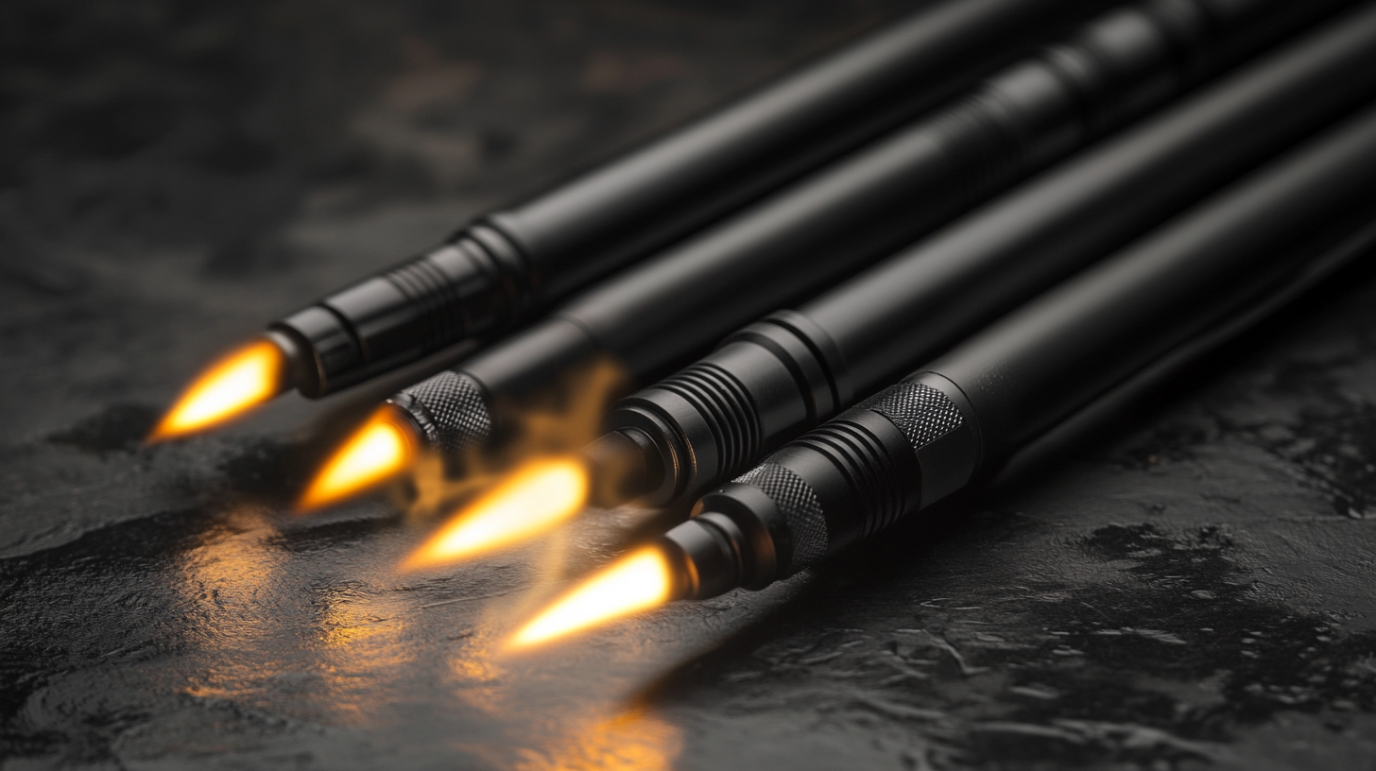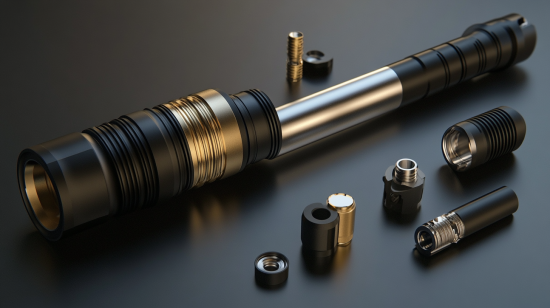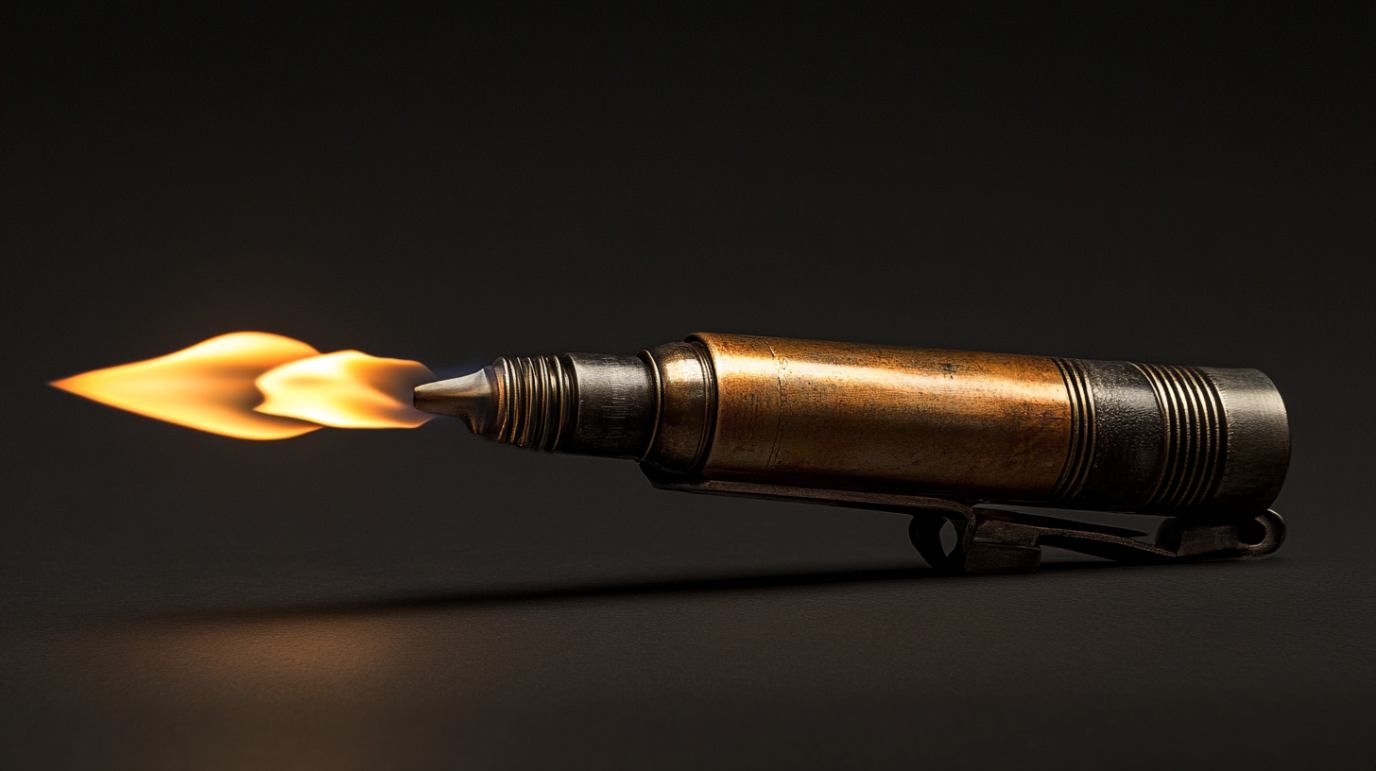
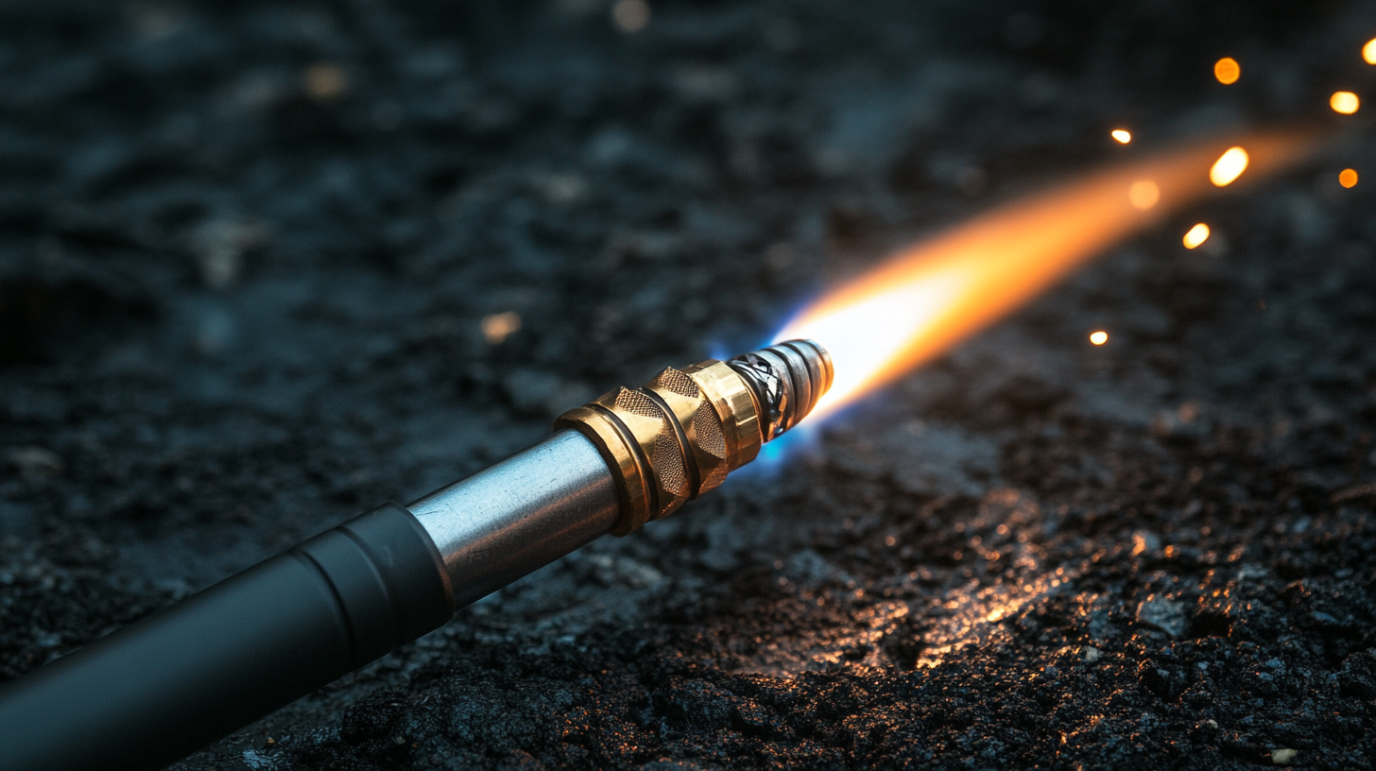
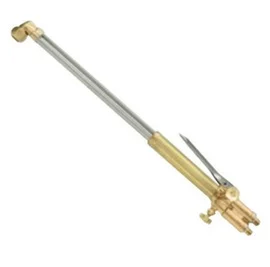
Victor Heavy Duty 21″ Straight Cutting Torch – 0381-1917
- Features
- For use with any fuel gas, 5 PSIG and above
- Cutting capacity 1/8″ (3.2mm) to 5″ (127.0mm)
- Hose connections are 9/16″-18 unless noted
- Includes built-in patented flashback arrestors and reverse flow check valves for added safety
- Built-in flashback arrestors no need for accessory flash arrestors
- Built-in reverse flow check valves no need for accessory check valves
$325.00
Navigating the World of Metal Cutting with Precision and Power
As I stood in my workshop last weekend, watching the brilliant blue-orange flame of my Victor Straight Cutting Torch slice through a half-inch steel plate like it was butter, I couldn’t help but smile. Six years ago, I was that nervous beginner who spent hours researching before making my first cutting torch purchase. Now, I’m sharing everything I’ve learned to help you make the right choice.
When it comes to cutting metal, the right tool makes all the difference between professional results and endless frustration. Victor has been a cornerstone in the welding and cutting industry for over 100 years, and their straight cutting torches represent the gold standard for many professionals and serious hobbyists alike.
Let me walk you through everything you need to know before investing in what could become the most valuable tool in your metal fabrication arsenal.
What Exactly Is a Victor Straight Cutting Torch?
A Victor Straight Cutting Torch is essentially a precision instrument designed to cut through metal using a controlled mixture of fuel gas and oxygen. Unlike its angled counterparts, the straight design allows for a direct, comfortable grip that many users (myself included) find offers superior control during cutting operations.
The first time I held a Victor torch, I was struck by its perfect balance and solid construction. These torches are built with industrial-grade brass and copper components, making them both durable and reliable for years of service.
What sets Victor apart from generic brands is their attention to detail in the valves, mixing chambers, and overall engineering. My first Victor torch is still going strong after years of weekend warrior projects and the occasional big fabrication job.
The Science Behind the Cut: How It Works
Understanding how your cutting torch works helps you use it more effectively. At its core, the process is fascinating—and almost magical to witness.
The torch operates on a principle called oxyfuel cutting. First, a preheating flame brings the metal to ignition temperature (around 1,800°F for steel). Once the metal reaches this critical temperature, a high-pressure stream of pure oxygen is introduced, which triggers a rapid oxidation reaction. This reaction actually burns the metal, creating a cut while the high-pressure oxygen blows the molten oxide away.
I remember watching my first perfect cut form—that clean, narrow kerf with minimal slag—and realizing this wasn’t just about brute force; it was precision chemistry and physics in action.
Victor’s engineering ensures this process happens with exceptional consistency. The torch body precisely controls gas flow, while the cutting attachment and tip determine the shape, size, and quality of the cut. Their two-piece tip design allows for greater versatility and more efficient gas consumption than many competing products I’ve tried.
What Can You Actually Do With It?
The beauty of a Victor Straight Cutting Torch lies in its versatility. Over the years, I’ve used mine for:
- Cutting through thick steel plates for fabrication projects
- Salvaging usable parts from scrap metal
- Creating artistic metal sculptures (a side hobby that started after I got comfortable with the torch)
- Demolition work when renovating my shop
- Precise shape cutting using templates for various mechanical components
While I primarily work with mild steel, Victor torches are capable of cutting through various ferrous metals. The thickest steel I’ve personally cut was a 4-inch plate, which the torch handled admirably with the right tip and a steady hand.
One limitation worth noting—these torches are designed specifically for cutting ferrous metals (those containing iron). For aluminum, copper, or other non-ferrous metals, you’ll need different equipment. I learned this the hard way when attempting to cut aluminum with my torch, only to create a disappointing molten mess.
Features That Make Victor Stand Out
After trying several brands over the years, I’ve come to appreciate certain Victor features that truly set them apart:
Build Quality
The solid brass construction feels substantial in your hands. Unlike cheaper torches I’ve used that feel tinny and light, Victor torches have a reassuring weight that helps steady your cuts. The quality of the valve seats is particularly impressive—they operate smoothly without the stickiness or play I’ve experienced with budget options.
Ergonomics
The straight design might seem basic, but it’s actually carefully engineered for comfort during extended use. The valve wheels are positioned for easy one-handed adjustment, and the balance point makes precision work less fatiguing. During a long day of cutting, this ergonomic design has saved my wrists and forearms from the soreness I used to experience with other torches.
Versatility Through Tips
Victor’s standardized tip system is brilliant. I own six different sizes that allow me to cut anything from thin sheet metal to thick structural steel. The tips are easy to change, and they create remarkably consistent cuts when matched to the appropriate material thickness.
Gas Efficiency
I’ve noticed that my Victor torch uses noticeably less gas than previous torches I’ve owned. The precision-engineered mixing chamber creates an efficient flame that cuts faster while consuming less oxygen and fuel. Over time, this efficiency has actually saved me money on gas refills.
Cutting Capacity: What Can It Handle?
The cutting capacity of your Victor torch depends primarily on two factors: the model you choose and the cutting tip you use.
Most standard Victor straight cutting torches can handle material from 1/8″ up to 12″ thick with the appropriate tips. My workhorse, the Victor ST900FC, can theoretically cut up to 8″ with the largest tips, though the thickest I’ve personally attempted was 4″ steel plate.
For perspective on what different tips can handle:
- 00 size: 1/8″ to 3/8″ material (perfect for sheet metal work)
- 0 size: 3/8″ to 3/4″ (my most commonly used tip)
- 1 size: 3/4″ to 1-1/2″ (great for structural steel)
- 2 size: 1-1/2″ to 3″ (occasional heavy work)
- 3-5 sizes: 3″ to 8″ (specialized industrial cutting)
I find that cut quality is best within the mid-range of each tip’s capacity. Pushing a tip to its maximum thickness rating usually results in more slag and rougher cut edges. For critical work, I’ll often use a tip rated for slightly thicker material than I’m actually cutting.
Gas Options: Fueling Your Flame
When I first started, I was confused about which gases to use. After much experimentation, here’s what I’ve learned:
Your cutting torch requires two gases: oxygen and a fuel gas. For oxygen, the choice is simple—pure oxygen.
For fuel gas, you have several options:
- Acetylene: Provides the hottest flame (up to 6,300°F) and fastest preheating. This is what I use for most projects requiring precision or when working with thicker materials.
- Propane: Less expensive and more readily available. Works well for thinner materials and has a more stable flame in windy conditions.
- MAPP Gas: A good middle-ground option that’s safer than acetylene but hotter than propane.
- Natural Gas: Occasionally used in fixed installations but less common for portable setups.
Victor torches are compatible with all these fuel types, though you’ll need the appropriate regulators and sometimes different tips for optimal performance with each gas type.
I primarily use acetylene for its superior cutting performance, but keep propane around for certain outdoor projects. The Victor torch handles both beautifully with just a change of tips.
Investment: What Should You Expect to Pay?
Quality comes at a price, but in my experience, it’s been worth every penny. Current pricing (as of 2025) for Victor straight cutting torches ranges quite widely based on the specific model and whether you’re buying just the torch or a complete outfit.
For the torch body alone:
- Entry-level models: $150-$200
- Mid-range professional models: $200-$350
- Heavy-duty industrial models: $350-$500
Complete outfits that include regulators, hoses, tips, and other accessories typically run:
- Basic setups: $400-$600
- Professional kits: $600-$900
- Industrial packages: $900-$1,500
My current setup cost around $750 five years ago, and it’s been one of the best workshop investments I’ve made. The torch itself shows virtually no wear despite regular use, and I’ve only had to replace one valve seat in all that time.
While these prices might seem steep compared to import brands available online for $100-$200, the difference in performance, durability, and safety is substantial. I started with a budget torch and upgraded to Victor after countless frustrations with inconsistent cuts and frequent maintenance issues.
Where to Purchase a Victor Torch
Finding a quality Victor torch at a fair price requires some savvy shopping. Here’s where I’ve had the best experiences:
Welding Supply Specialists
Local welding supply shops remain my first choice. The benefits include:
- Hands-on inspection before purchase
- Expert advice from staff who actually use the equipment
- Proper setup assistance and demonstration
- Relationship for future service or support
- Often competitive pricing despite being brick-and-mortar
I bought my current torch from Johnson’s Welding Supply after spending an hour discussing my needs with their staff. They assembled the perfect package for my requirements.
Industrial Suppliers
Companies like Airgas, Praxair, and Northern Tool carry Victor products with the advantage of:
- Reliable warranty support
- Genuine parts guarantee
- Regular sales and promotions
- Bundle options with gas contracts
Online Retailers
While I prefer seeing tools in person before buying, reputable online industrial suppliers can offer:
- Wider selection of models
- Detailed specification comparisons
- Customer reviews
- Often lower prices
- Convenience of home delivery
Just be cautious of counterfeit products when buying online. Stick to authorized dealers and be suspicious of prices that seem too good to be true.
Setting Up Your Victor Torch: Getting Started Right
The first time I set up my cutting torch, I was intimidated by all the components. Now it’s second nature, but for newcomers, here’s my streamlined process:
- Inspect Everything: Before connecting anything, check all components for damage, debris, or manufacturing defects.
- Connect Regulators: Attach oxygen and fuel regulators to their respective tanks. Use a proper wrench, never pliers, and ensure connections are tight but not over-tightened.
- Attach Hoses: Connect the green oxygen hose to the oxygen regulator and the red fuel gas hose to the fuel regulator. Again, use the appropriate wrench.
- Connect the Torch: Attach the hoses to your Victor torch, making sure the oxygen connects to the oxygen inlet (usually marked with an “OXY” stamp) and the fuel to the fuel inlet.
- Install the Cutting Attachment: If your torch came with a separate cutting attachment, thread it onto the torch body, ensuring the connection is secure.
- Choose and Install the Proper Tip: Select a tip appropriate for your material thickness and thread it into the cutting attachment.
- Check for Leaks: Apply a soap-and-water solution to all connections and look for bubbles that indicate leaks. Never use a flame to check for leaks.
- Set Initial Pressures: With the torch valves closed, slowly open the tank valves fully, then adjust the regulators to the recommended pressures for your specific tip size.
The first time I completed this setup successfully and made a clean cut, I felt a genuine sense of accomplishment. Take your time with this process—proper setup is the foundation of safe, effective cutting.
Safety First: Working With Fire and Pressure
I can’t stress this enough: safety with cutting torches is not optional—it’s absolutely essential. I’ve witnessed the aftermath of torch accidents, and they can be devastating.
My non-negotiable safety practices include:
Protective Gear
- Welding goggles with the appropriate shade (I use #5 for cutting)
- Leather gloves that extend past your wrists
- Non-synthetic clothing (cotton or leather)
- Leather apron for heavy cutting
- Safety boots (no fabric sneakers)
- Cap or head covering for protection from sparks
Workspace Preparation
- Clear all flammable materials from a 35-foot radius
- Work on concrete or dirt, never on wood floors
- Have a functional fire extinguisher (minimum 10-pound ABC type) within reach
- Ensure adequate ventilation to prevent fume accumulation
- Remove or cover items that could be damaged by sparks
- Never cut containers that held flammable materials without proper cleaning
Operating Procedures
- Always light the torch with a striker, never matches or lighters
- Open the oxygen valve last when lighting and close it first when shutting down
- Never use oxygen to blow off clothing or clean equipment
- Keep cylinders secured upright at all times
- Store torches with valves closed and pressure released
- Never use grease or oil on any oxygen fittings
I once had a close call when cutting too close to what I thought was an empty paint can. The residual fumes ignited, creating a small fireball that singed my beard. That mistake taught me to be much more careful about my surroundings.
Compatibility: Finding the Right Tips
Victor’s standardized tip system is one of their greatest strengths, but navigating the options can be confusing for beginners.
The Victor 100 series cutting tips are the most common and versatile for standard straight cutting torches. They’re identified by numbers that indicate their size and cutting capacity:
- 000 (three zeros): For very thin material, 1/16″ to 1/8″
- 00 (two zeros): 1/8″ to 3/8″ material
- 0 (zero): 3/8″ to 3/4″ material
- 1: 3/4″ to 1-1/2″ material
- 2: 1-1/2″ to 3″ material
- 3: 3″ to 5″ material
- 4: 5″ to 8″ material
- 5: 8″ to 12″ material
I’ve found that having sizes 00, 0, 1, and 2 covers about 95% of my cutting needs. If you’re just starting out, I recommend buying these four sizes to give yourself versatility without unnecessary expense.
For specialized cutting tasks, Victor also offers:
- HD (Heavy Duty) series tips for industrial applications
- SW (Steel Working) tips for specialized steel fabrication
- GP (General Purpose) tips for mixed applications
I’ve experimented with HD tips for some heavy structural work and found them exceptionally durable, though more expensive than the standard series.
Comparing to Competitors: Why Victor Stands Out
Having used several different brands throughout my metalworking journey, I can offer some honest comparisons.
Victor vs. Smith Equipment
Smith is Victor’s main competitor in the premium torch market. Both make excellent products, but I’ve found Victor torches to have slightly better balance and more precise valves. Smith tips and Victor tips are not interchangeable, which can be limiting if you already have an investment in one system.
Victor vs. Harris
Harris products occupy a similar quality tier but with some design differences. I find Victor’s valve control to be more intuitive, while some of my colleagues prefer Harris’s flame adjustment characteristics. Both are professional-grade options.
Victor vs. Import Brands
There’s simply no comparison in terms of durability, consistency, and safety. I started with an imported torch that had inconsistent flame patterns, sticky valves, and eventually developed dangerous leaks around the valve stems. The Victor I replaced it with has been flawless for years.
The price difference between Victor and budget imports might seem significant initially, but when you factor in performance, safety, and longevity, Victor offers superior value over time.
Durability: Built for the Long Haul
One of the most impressive aspects of Victor torches is their longevity. I’ve seen shop torches that have been in daily use for over 20 years and still function perfectly.
The construction features that contribute to this durability include:
- Solid brass bodies that resist corrosion and physical damage
- Precision-machined valve seats that maintain their seal over time
- High-quality O-rings and seals that withstand temperature fluctuations
- Reinforced hose connections that resist cracking
- Robust internal passages that don’t clog easily
My personal torch has survived being dropped on concrete (accidentally, of course), exposed to rain when I forgot it outside overnight, and countless hours of use in dusty conditions. After a simple cleaning, it still performs like new.
Industrial Applications: Beyond the Workshop
While my usage is primarily for personal projects and occasional contract work, Victor straight cutting torches are mainstays in numerous industrial settings:
- Shipyards: Cutting hull plates and structural components
- Construction: Modifying steel beams and columns on-site
- Demolition: Disassembling large metal structures
- Foundries: Removing sprues and gates from castings
- Scrap yards: Processing large metal items for recycling
- Pipeline construction: Beveling pipe ends for welding
I visited a friend’s fabrication shop where they use Victor torches exclusively for production cutting of components up to 3″ thick. Even under these demanding conditions with daily use, their torches remain reliable and precise.
For industrial users, the higher initial investment in Victor equipment pays dividends through reduced downtime, consistent performance, and lower total cost of ownership compared to economy alternatives.
Maintenance: Keeping Your Torch in Top Condition
One of the secrets to my torch’s longevity has been consistent maintenance. My routine includes:
Daily Maintenance (After Use)
- Inspect tips for damage or excessive wear
- Check O-rings and seals for cracks
- Verify that valves close completely
- Wipe down the torch body to remove dirt and moisture
Monthly Maintenance
- Clean tip orifices with proper cleaning wires (never with drill bits)
- Check all connections for tightness
- Inspect hoses for cracks or weakness
- Test valve operation for smoothness
Annual Maintenance
- Disassemble and clean the mixing chamber
- Replace any worn O-rings
- Check valve seats for wear
- Test the system for leaks under pressure
I keep a dedicated maintenance kit with cleaning wires, O-rings, valve seats, and special wrenches. This investment has saved me countless headaches and prevented downtime during critical projects.
The most common issues I’ve encountered are clogged tips (easily fixed with cleaning wires) and occasional valve seat wear (a simple replacement job). Both are minor maintenance tasks compared to the major failures I experienced with cheaper torches.
Replacement Parts: Keeping Your Investment Going
Even the best torches eventually need parts. Fortunately, Victor’s commitment to standardization and parts availability means you’re never stuck with an expensive paperweight.
Common replacement parts include:
- Cutting tips: $15-$30 depending on size
- O-ring kits: $10-$20
- Valve repair kits: $25-$40
- Complete valve assemblies: $50-$75
- Cutting attachments: $100-$200
I’ve found that keeping a spare cutting tip in each size I use regularly and a basic repair kit with O-rings and valve seats covers most emergency needs. For more substantial repairs, my local welding supply shop stocks most components or can order them with quick turnaround.
Unlike many modern tools designed to be disposable, Victor torches are built to be serviced indefinitely. My father-in-law still uses a Victor torch he purchased in the 1980s, having replaced various components over the decades.
Warranty Coverage: Peace of Mind
Victor backs their products with solid warranty coverage, which has given me confidence in my investment. Standard warranty terms include:
- 5-year warranty on torch bodies against manufacturing defects
- 1-year warranty on cutting attachments
- 90-day warranty on consumable parts like tips and O-rings
I’ve only had to use the warranty once, when a newly purchased tip had an improperly drilled orifice. The process was straightforward—I simply returned it to my supplier who replaced it on the spot under warranty.
What impressed me most was that when I had questions about an older torch I’d purchased second-hand (well out of warranty), Victor’s customer service still provided detailed advice to help me resolve a minor valve issue.
Maximum Cutting Capacity: Testing the Limits
While manufacturer specifications indicate maximum cutting thicknesses, real-world performance depends on several factors including operator skill, gas quality, and environmental conditions.
In my experience, Victor straight cutting torches with the appropriate tips can effectively cut:
- Clean, precise cuts: Up to 6″ thick steel
- Functional but rougher cuts: Up to 10″ thick steel
- Emergency cutting (slower, with significant slag): Up to 12″ steel
The thickest material I’ve personally cut was a 4-inch steel plate, which required:
- Size 3 cutting tip
- 50-55 PSI oxygen pressure
- Preheating for nearly a minute
- Steady hand movement at approximately 3 inches per minute
The cut was clean with minimal slag on the bottom edge—impressive performance that would have been impossible with lesser equipment.
Real-World Feedback: What Users Say
Beyond my personal experience, I’ve gathered feedback from fellow metalworkers, professional fabricators, and industrial users. The consensus on Victor straight cutting torches includes:
Praise For:
- Exceptional build quality and durability
- Consistent cut quality even after years of use
- Smooth valve operation that allows fine flame adjustment
- Excellent balance and ergonomics for reduced fatigue
- Wide availability of parts and accessories
Criticisms Include:
- Higher upfront cost compared to economy brands
- Heavier weight (though many consider this a positive for stability)
- Learning curve for optimal performance with different tips
- Premium pricing on replacement parts
The most telling feedback comes from professionals who’ve tried multiple brands and returned to Victor. One industrial fabricator told me he had switched to a competitor’s torch to save money, only to switch back to Victor after calculating the cost of lost productivity and inconsistent results.
Essential Accessories: Completing Your Setup
While the torch itself is the centerpiece, certain accessories significantly enhance its usability and versatility:
Must-Have Accessories
- Torch Striker/Lighter: The safest way to ignite your torch; never use matches or cigarette lighters.
- Tip Cleaning Kit: Special wires designed to clean tip orifices without damaging them.
- Welding Goggles: Proper eye protection with the appropriate shade for oxy-fuel cutting.
- Flashback Arrestors: Critical safety devices that prevent flames from traveling back into the hoses or regulators.
- Quality Regulators: I prefer Victor’s own regulators for guaranteed compatibility.
Highly Recommended
- Circle Cutting Attachment: For precise circular cuts; one of my most-used accessories.
- Cutting Guide: Helps maintain straight cuts on longer workpieces.
- Torch Stand: Provides safe storage between cuts.
- Spare Tip Assortment: Having backup tips prevents project delays.
- Heavy-Duty Welding Cart: Keeps gas cylinders secure and provides mobility.
I gradually built my accessory collection, starting with safety essentials and adding convenience items as my skills and project needs expanded. The circle cutting attachment was a game-changer for fabricating round components with precision that would be impossible freehand.
Final Thoughts: Is a Victor Straight Cutting Torch Right for You?
After six years of regular use and countless projects, I can wholeheartedly recommend Victor straight cutting torches to anyone serious about metalworking, from ambitious beginners to professionals.
For beginners, the initial investment might seem steep, but the learning curve is actually gentler with quality equipment. The consistent performance of a Victor torch allows you to focus on developing technique rather than fighting with equipment limitations.
For professionals and industrial users, the productivity gains, reduced downtime, and consistent cut quality make Victor torches the obvious choice despite the premium price.
If your projects are limited to occasional thin sheet metal work or you’re on an extremely tight budget, you might consider starting with a more economical option. Just be aware that you’ll likely outgrow it quickly as your skills and project ambitions expand.
Remember that your cutting torch is ultimately a precision tool that can transform your metalworking capabilities. Whether you’re building practical projects, creating artistic metal sculptures, or running a fabrication business, investing in quality equipment pays dividends in results, safety, and satisfaction.
My Victor torch has become an extension of my creativity—enabling projects I couldn’t have tackled otherwise and providing the reliability I need when precision matters. Whatever you decide, I hope this guide helps you make an informed choice and avoid the mistakes I made early in my metalworking journey.
Happy cutting, and stay safe out there!